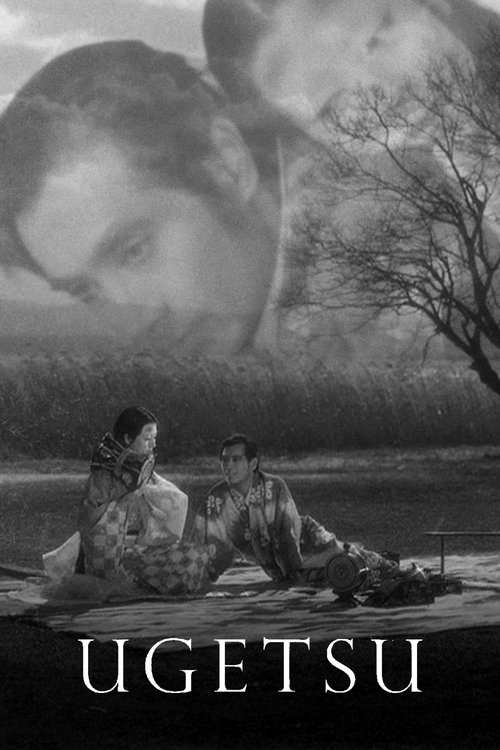
Ugetsu
Plot
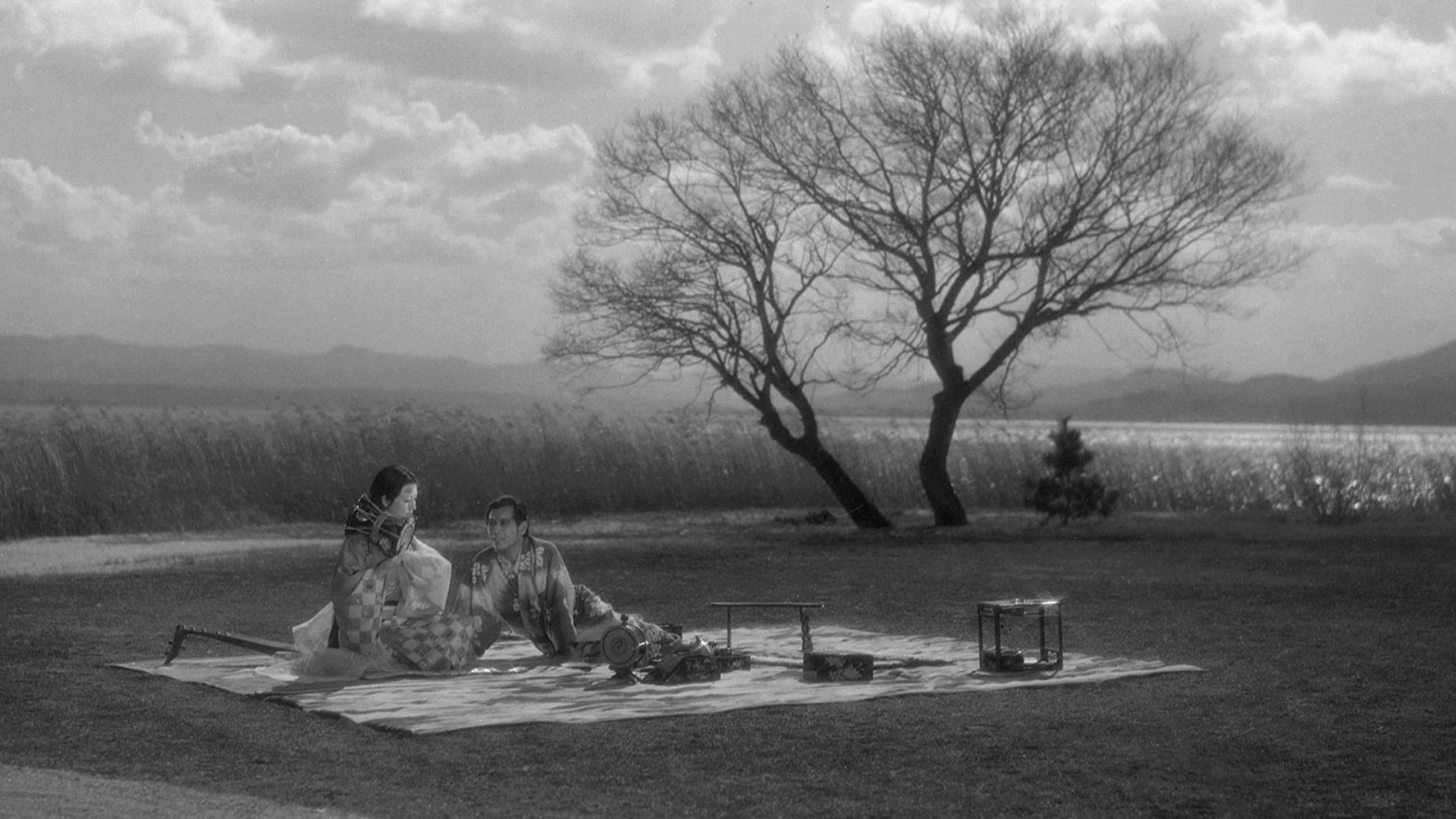
In 16th century Japan, peasants Genjuro and Tobei sell their earthenware pots to a group of soldiers in a nearby village, in defiance of a local sage's warning against seeking to profit from warfare. Genjuro's pursuit of both riches and the mysterious Lady Wakasa, as well as Tobei's desire to become a samurai, run the risk of destroying both themselves and their wives, Miyagi and Ohama.
About Ugetsu
Ugetsu (雨月物語, Ugetsu Monogatari, lit. "Rain-moon tales") is a 1953 Japanese period fantasy film directed by Kenji Mizoguchi starring Masayuki Mori and Machiko Kyō. It was written by Matsutarō Kawaguchi and Yoshikata Yoda based on the stories "The House in the Thicket" and "The Lust of the White Serpent" from Ueda Akinari's 1776 book Ugetsu Monogatari, combining elements of the jidaigeki (period drama) genre with a ghost story. Drawing from Ueda's tales, the film is set in Japan's civil war–torn Azuchi–Momoyama period (1568–1600). In a small rural community, a potter leaves his wife and young son behind to make money selling pottery and ends up being seduced by a spirit that makes him forget all about his family. A subplot, inspired by Guy de Maupassant's 1883 short story "How He Got the Legion of Honor" ("Décoré!"), involves his brother-in-law, who dreams of becoming a samurai and chases this goal at the unintended expense of his wife. The film won the Silver Lion Award at the 1953 Venice Film Festival and other honours. Ugetsu is one of Mizoguchi's most celebrated films, regarded by critics as a masterpiece of Japanese cinema, credited with simultaneously helping to popularize Japanese cinema in the West and influencing later Japanese film.
From Wikipedia, CC BY-SA 4.0.
Cast
 Machiko KyōLady Wakasa
 Mitsuko MitoOhama
 Kinuyo TanakaMiyagi
 Masayuki MoriGenjurô
 Eitarō OzawaTôbei
- Sugisaku AoyamaOld Priest
- Mitsusaburō RamonCaptain of Tamba Soldiers
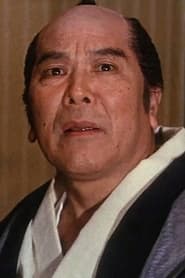 Ryōsuke KagawaVillage Master
Images


Movies and shows like Ugetsu
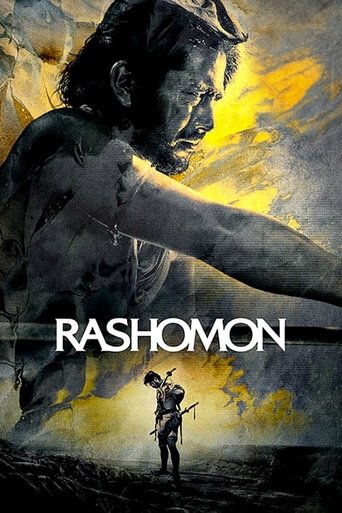
- Rashomon1950 · FilmBoth drama
- Seven Samurai1954 · FilmSimilar story

- Tiger2025 · FilmBoth drama

- Tokyo Story1953 · FilmBoth drama
- Kagemusha1980 · FilmSimilar story
- Gate of Hell1953 · FilmSimilar story
- BURN2026 · FilmBoth drama

- The Ghost Writer's Wife2025 · SeriesBoth drama
- Harakiri1962 · FilmSimilar story
- Hachi: A Dog's Tale2009 · FilmBoth drama
- Ikiru1952 · FilmBoth drama, family
- Bâan -The Boundaries of Adulthood-2025 · FilmBoth fantasy
